

Embedded Clinical Trials: 7 Top Partners for 2026
Embedded clinical trials are becoming the standard model for sponsors who need Phase II and III studies to run inside the places patients already receive care, rather than inside a standalone research building. For pharmaceutical sponsors and CRO clinical operations leaders,...

How to Build Diverse Trial Recruitment in 2026
A community based model is what separates sponsors that hit their 2026 diversity targets from sponsors that fall behind. Investing in a community based model, paired with multilingual and data driven support, is how sponsors and CROs actually hit diverse enrollment...

What Makes Diverse Trial Recruitment Hard for Sponsors
Clinical research recruitment in diverse communities is one of the most cited challenges in clinical research and one of the most consistently underfixed. For pharmaceutical sponsors and CROs managing timelines, enrollment targets, and regulatory requirements, clinical trial patient recruitment in diverse populations...

Phase II and III Trials: Top Clinical Service Partners for 2026
A practical guide for pharmaceutical sponsors and biotech clinical operations leaders evaluating phase II and III trial service partners for oncology, complex site activation, and quality management programs. Phase II and III trials represent the highest stakes stage of the clinical...

Sponsor Recruitment Support: How to Expand Trial Access Through Community Clinics
A definitive guide for pharmaceutical sponsors and CRO clinical operations leaders on building sponsor recruitment support infrastructure through community clinic partnerships, embedded research models, and diverse patient enrollment strategies. Sponsor recruitment support is one of the most consequential investments a clinical...

9 Patient Recruitment Services for Community Clinics
A practical guide for pharmaceutical sponsors and CRO clinical operations leaders evaluating clinical trial recruitment partners that operate through community clinics, embedded care settings, and diverse enrollment networks. Reaching enrollment targets in clinical trials is one of the most persistent challenges...

How Embedded Clinical Research Improves Trial Data Quality and Enrollment
When a clinical trial fails to enroll on time, the problem rarely starts with recruitment. It starts with the distance between where patients receive care and where research happens. Traditional site models ask patients to travel to separate facilities, follow separate...

How to Fix Patient Recruitment Bottlenecks in Trials
Few problems cost sponsors more time and money than patient recruitment bottlenecks in Phase II and III trials. A study that cannot enroll on schedule delays first patient in, pushes back database lock, and threatens the entire development timeline. For clinical...
Why Diverse Patient Recruitment Matters in Trials
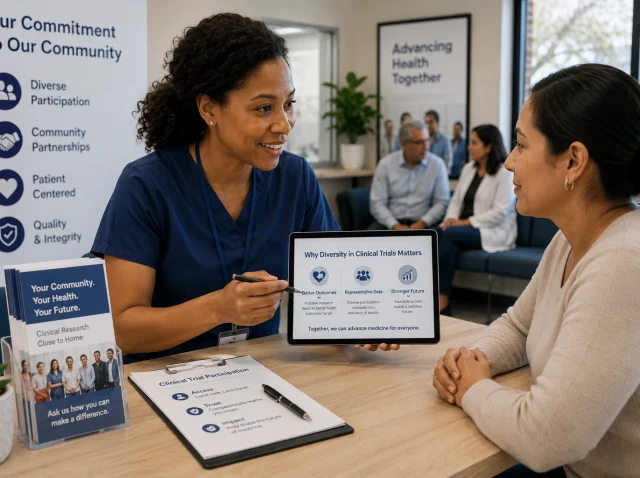
Recruitment and retention remain the two hardest problems in clinical research, and they are getting harder. For pharmaceutical sponsors and CRO clinical operations leaders running Phase II and III studies, weak clinical trial patient recruitment delays timelines, inflates costs, and produces...

Where Oncology Trials Stall: 7 Partners That Get Sites Live Faster
In oncology, the gap between a signed contract and a fully activated site is where timelines quietly slip away. For pharmaceutical sponsors, CRO leaders, and biotech clinical operations teams running Phase II and III cancer studies, oncology site activation is one...
Top Oncology Clinical Trial Site Partners for Biotechs
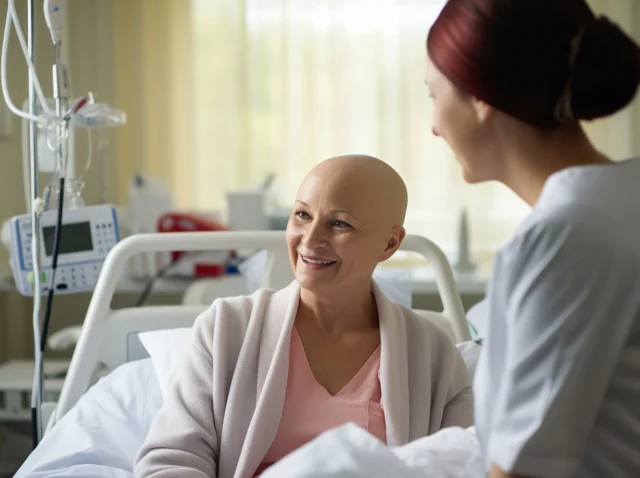
Choosing the right oncology clinical trial site can determine whether a study enrolls on time, retains patients, and produces clean data that holds up to regulatory scrutiny. For pharmaceutical sponsors and biotech clinical operations leaders, the decision goes far beyond geography....

Clinical Trial Patient Recruitment in Phase II and III
Phase II and III trials are where sponsors commit the most time, capital, and scientific reputation, yet they are also where participant loss does the most damage. A study that enrolls slowly or bleeds participants midway through dosing can push timelines...